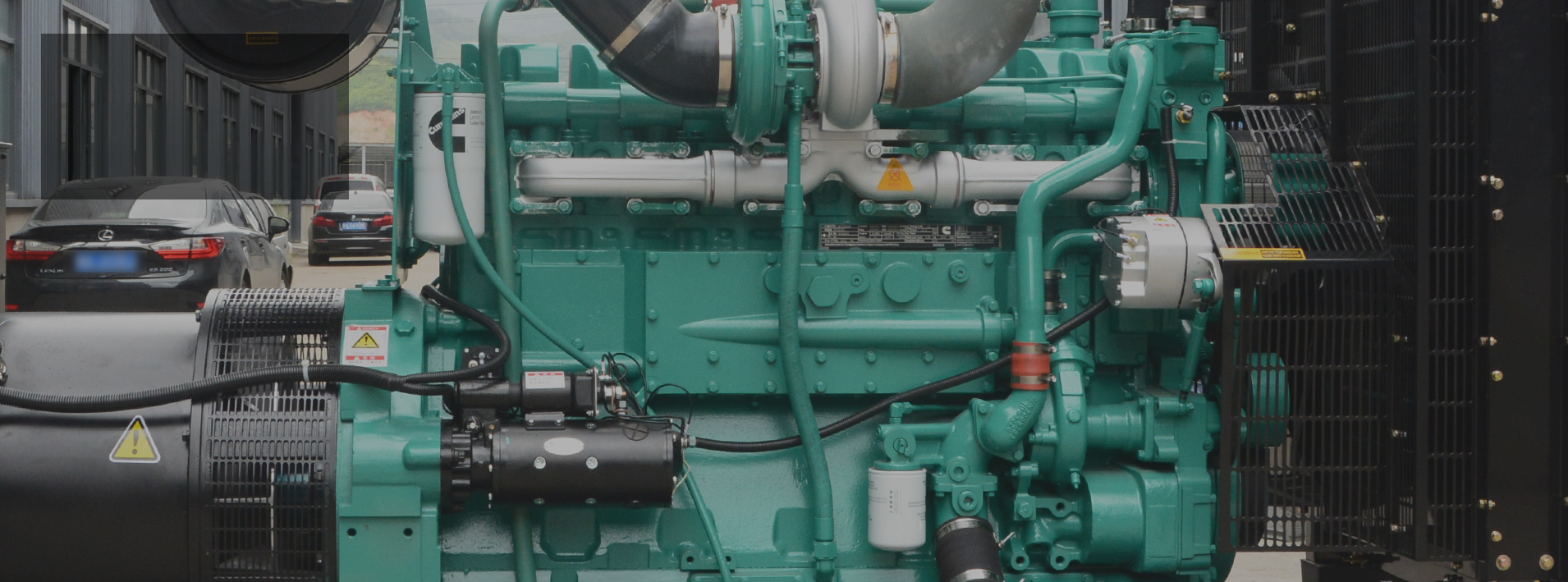
In daily operation, a diesel generator often gives early warning signals through sound before a serious failure occurs. Experienced technicians can often identify problem areas simply by listening to abnormal noises.
Based on years of field service and troubleshooting experience, this article explains how to judge common diesel generator faults by sound, helping operators take timely action and avoid major damage.
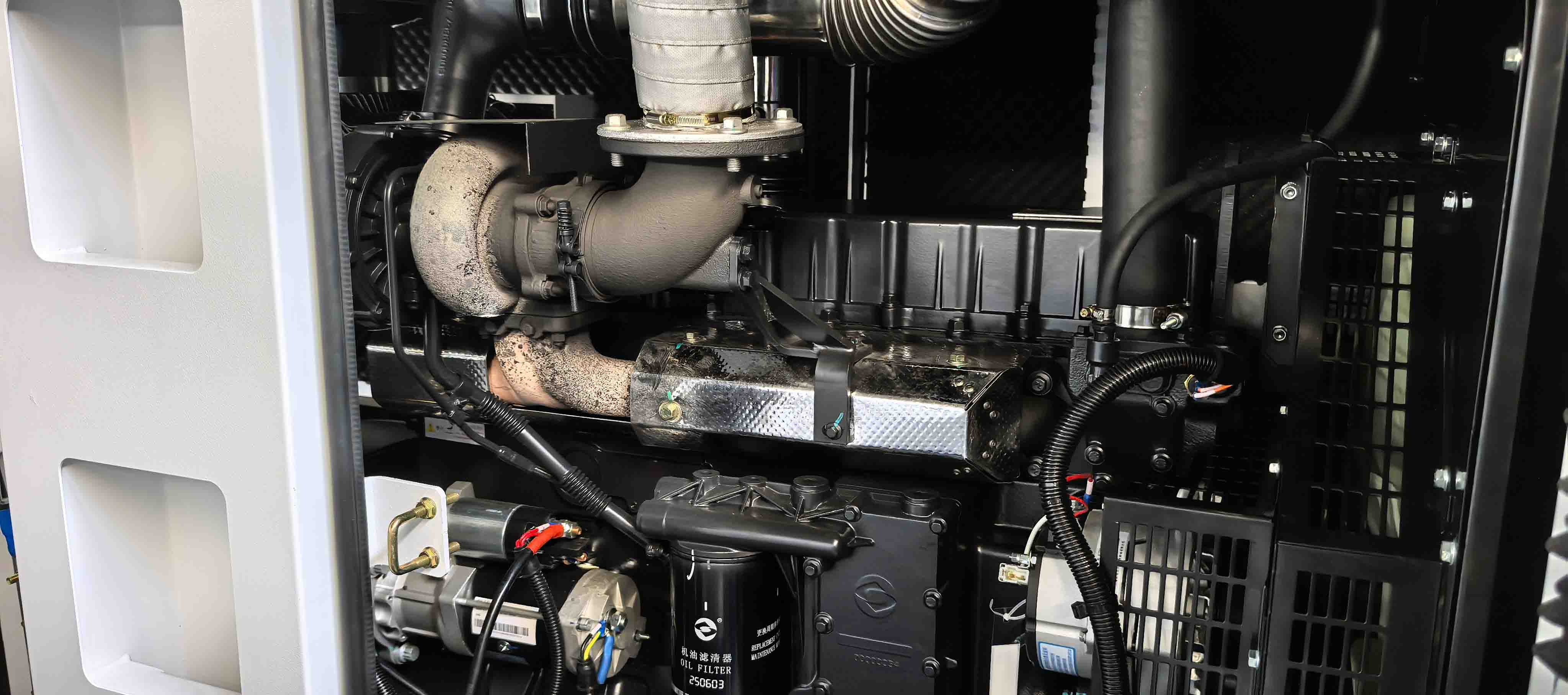
Clear, sharp “ticking” or “knocking” sound
Noise becomes louder as engine speed increases
Worn piston pin
Excessive clearance in connecting rod bearings
Broken or severely worn piston rings
Inspect the lubrication system immediately
Check piston assembly, connecting rod bearings, and piston rings
Stop the generator if knocking intensifies to prevent cylinder damage
Experience Insight:
High-frequency metallic knocking is often an early sign of internal mechanical wear and should never be ignored.
Low-frequency, dull “thud” or “boom”
Often accompanied by a drop in oil pressure
Worn crankshaft bearings
Loose or damaged main bearing shells
Shut down the generator for inspection
Check oil pressure and bearing clearances
Repair or replace damaged bearings to avoid crankshaft scoring
Experience Insight:
Ignoring this sound can lead to severe crankshaft damage, significantly increasing repair costs.
Sharp, continuous squealing or whistling noise
Slipping or worn drive belts
Failed belt tensioner
Worn bearings in the water pump or alternator
Inspect belt condition and tension
Replace worn belts or faulty tensioners
Check bearing condition and replace if necessary
Experience Insight:
This type of noise is common during startup and often worsens under load if not corrected.
Intermittent “puff-puff” or mild detonation noise
Often occurs at regular intervals
Clogged or dripping fuel injectors
Incorrect fuel injection timing
High-pressure fuel pump issues
Clean or replace fuel injectors
Calibrate injection timing
Inspect and service the fuel pump
Experience Insight:
When combined with black smoke or power loss, this sound strongly indicates incomplete combustion.
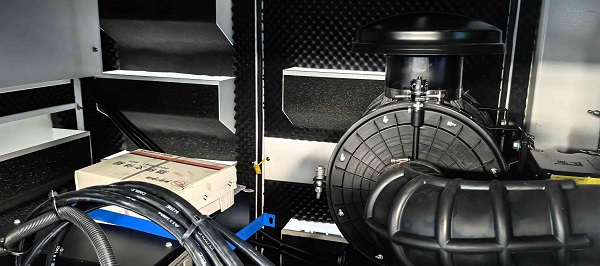
Rhythmic “click-click” metallic sound
Matches engine speed
Excessive valve clearance
Worn rocker arms or tappets
Adjust valve clearance to manufacturer specifications
Inspect valve train components for wear
Prevent camshaft damage by early correction
Experience Insight:
Valve noise is often harmless at first, but long-term neglect can shorten engine life significantly.
Abnormal sound is one of the most direct and reliable diagnostic tools for diesel generators. From practical experience:
Sharp metallic sounds often indicate internal wear
Low, dull noises usually involve major rotating components
High-pitched sounds often come from external accessories
Rhythmic noises frequently relate to fuel or valve systems
Early diagnosis through sound not only reduces repair costs, but also prevents unexpected downtime and extends the generator’s service life.
If you have other questions about diesel generator set, welcome to contact our team directly.





Tel : +86-591-86397381
Email : sale@hosempower.com
Whatsapp :+8613205904365
Address : C2 Building, Cangshan Wanda Plaza, No. 216 Pushang Road, Fuzhou City, Fujian, China.
Copyright © 2026 Fuzhou Hosem Power Co., Ltd. All Rights Reserved
 IPv6 network supported